Exploring the Somalia Display Font for Creative Projects
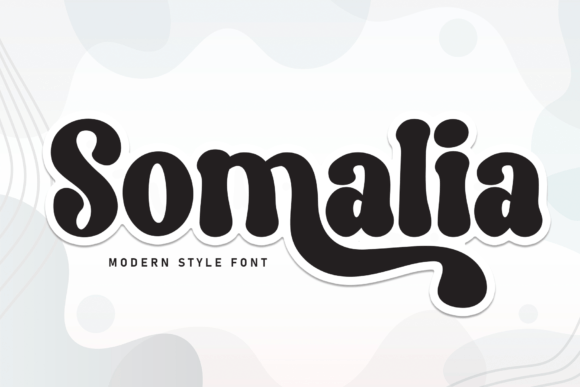
Imagine injecting a burst of personality into your next design with a single typographic choice. Somalia is a fun and quirky display font that brings an immediate sense of energy and approachability to any visual project. In the crowded landscape of modern graphic design, where brand identity and user engagement are paramount, selecting a typeface that stands out while remaining functional is a critical decision. Somalia answers this call, offering designers a tool to break from the mundane and create memorable visual communication.
Understanding Somalia's Place in Modern Typography
Display fonts like Somalia are the workhorses of visual impact. Unlike traditional body text fonts optimized for long-form reading, a display typeface is crafted to capture attention at large sizes—on headers, logos, and posters. Somalia's quirky character stems from its unique letterforms, which blend playful curves with a confident structure. This makes it a powerful asset for projects that need to convey creativity, friendliness, or a modern aesthetic without sacrificing readability at a glance.
In the context of branding and visual design, typography is a silent ambassador. The right font can instantly communicate a brand's tone—whether it's innovative, luxurious, or playful. Somalia excels in scenarios where a brand seeks to appear approachable and dynamic, making it particularly effective for startups, creative agencies, lifestyle brands, and digital products targeting a younger or more design-conscious audience.
Practical Applications Across Creative Projects
The versatility of a well-designed display font extends across numerous applications. Integrating Somalia into your design workflow can elevate various touchpoints, ensuring consistency and visual appeal.
- Branding and Logo Design: Use Somalia to craft a distinctive wordmark or logotype that feels fresh and memorable. Its personality can become a core element of a brand's visual identity.
- Marketing and Social Media Graphics: Create scroll-stopping headlines for digital ads, Instagram posts, or Facebook banners. The font's energy helps improve engagement and click-through rates.
- Website and UI Design: Apply it to hero sections, call-to-action buttons, or promotional banners to guide the user's eye and enhance the overall user experience with visual interest.
- Packaging and Editorial Design: On product labels or magazine covers, Somalia can draw consumers in, helping a product stand out on a shelf or a page.
- Presentations and Merchandise: Transform a standard slide deck or create eye-catching apparel and posters that reflect a cohesive and professional creative direction.
Tips for Effective Implementation
While a quirky font offers great potential, its effectiveness hinges on thoughtful application. Here are key considerations for using Somalia or any display typeface effectively:
First, prioritize readability and visual hierarchy. A display font should be used for headlines or short phrases, not body copy. Pair it with a clean, neutral sans-serif or serif font for longer text to maintain clarity and balance. Second, ensure consistency with your broader brand system. The font's personality should align with your color palette, imagery style, and overall brand voice. A playful font can clash with a very formal corporate identity.
Finally, consider scalability and context. Test how the font renders at different sizes and on various mediums—from a mobile screen to a large-format print. Its quirky details should remain charming, not overwhelming or illegible, across all applications.
Thoughtful design choices are the foundation of effective communication. By carefully selecting and applying creative assets like the Somalia display font, designers and creators can significantly enhance both the aesthetic quality and the persuasive power of their work. It’s not just about decoration; it’s about using every visual element, especially typography, to create a cohesive, engaging, and professional experience that resonates with the intended audience.